Introduction
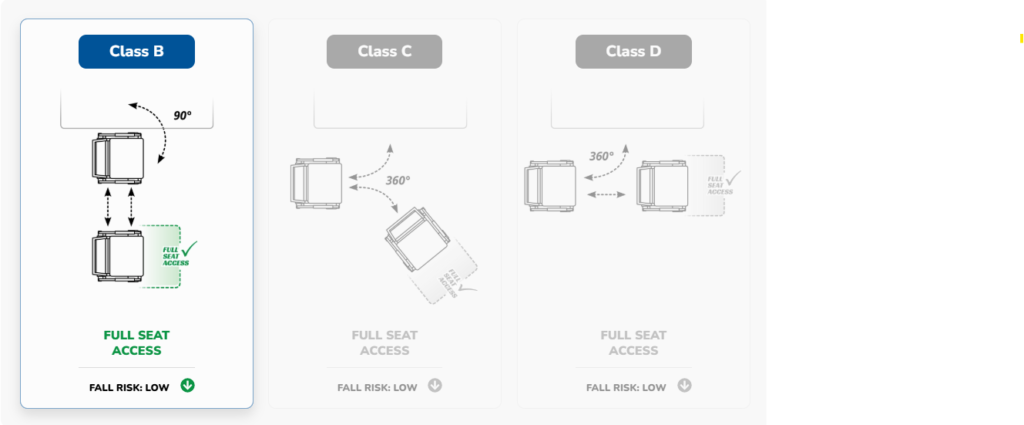
The Dining Chair Classification System (DCCS) was developed to bring consistency, clarity, and purpose to seating selection within care communities. Rather than viewing dining chairs as simple furniture, DCCS recognizes them as critical components of resident care that directly influence mobility, safety, comfort, and quality of life. By establishing a standardized framework for evaluating and classifying dining chairs, DCCS helps care providers make informed decisions that support the unique needs of each resident.
Why DCCS Matters
At the heart of DCCS is the belief that seating should be intentionally matched to an individual’s functional abilities and physical requirements. Residents in care environments often experience varying levels of mobility, strength, balance, and independence. A chair that is appropriate for one resident may create unnecessary challenges or risks for another. DCCS provides a structured approach to identifying the most suitable seating options, ensuring that residents can participate in dining and social activities with greater comfort, confidence, and dignity.
Safety and Resident Outcomes
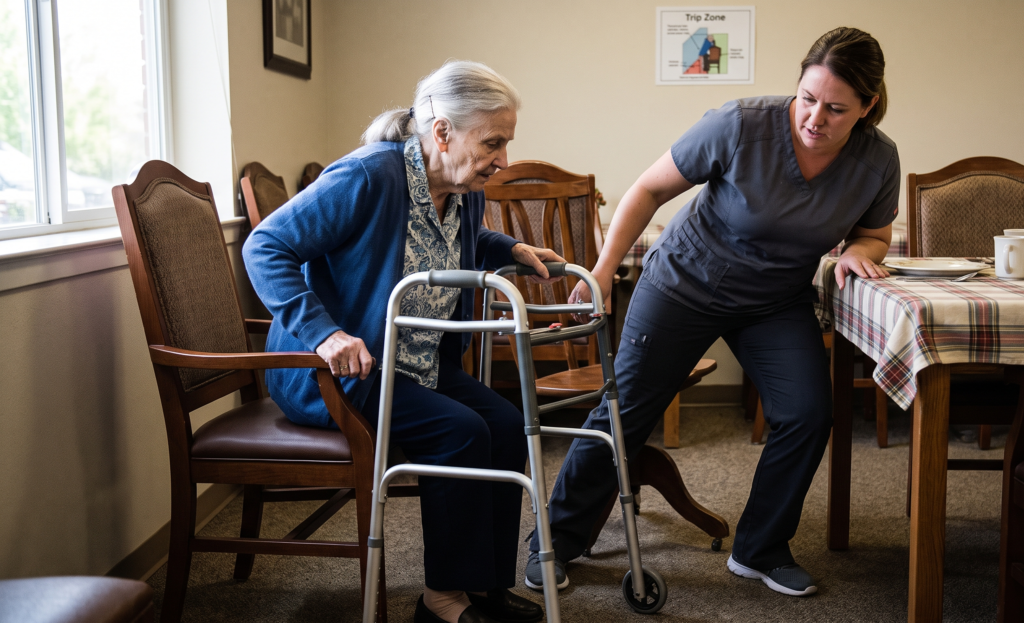
Safety is a central objective of the system. Improperly selected seating can contribute to falls, difficulty with transfers, poor posture, and increased physical strain during daily activities. By classifying chairs according to measurable features and performance characteristics, DCCS helps care teams reduce these risks while supporting safe movement and positioning. The result is a more secure dining environment that promotes resident well-being and enhances overall care outcomes.
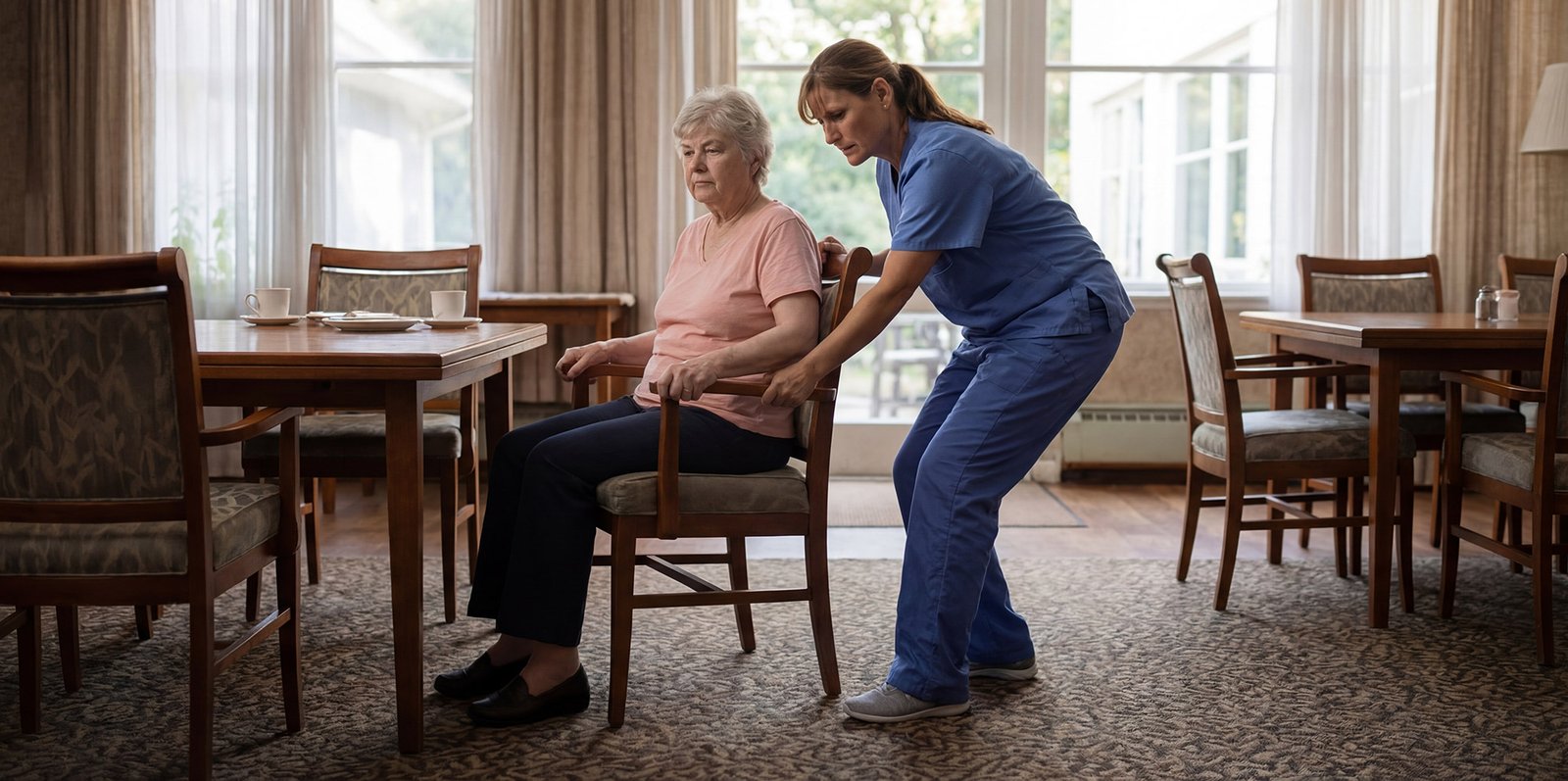
The benefits of DCCS extend beyond residents to the caregivers who support them every day. Care staff frequently assist with transfers, repositioning, and mobility-related tasks that can place significant physical demands on the body. When seating is properly matched to resident needs, caregivers can perform these tasks more efficiently and with less physical exertion. This reduces the risk of workplace injuries, improves ergonomics, and contributes to a safer and more sustainable caregiving environment.
Ultimately, the Dining Chair Classification System represents a proactive approach to person-centered care. By aligning seating selection with mobility requirements, safety considerations, and dignity-focused care principles, DCCS helps care communities create dining spaces that are both functional and supportive. The system empowers organizations to make evidence-based decisions that improve resident experiences, enhance caregiver safety, and elevate the overall standard of care within their communities.